
Services
Restoration
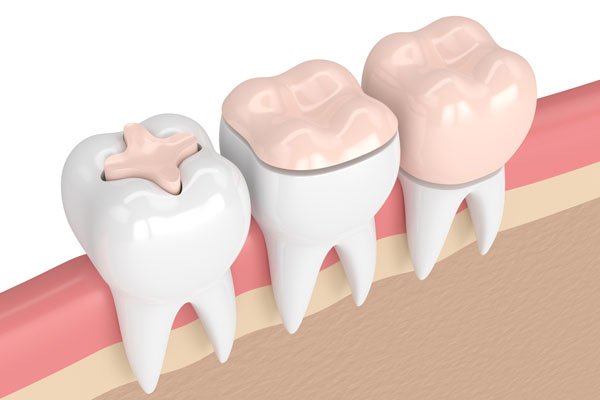
Dental Restoration refers to a range of procedures used to repair or replace damaged, decayed, or missing teeth, restoring their function, strength, and appearance. The primary goal of dental restoration is to maintain oral health while ensuring that teeth can effectively perform tasks such as chewing, speaking, and supporting the facial structure.
Restorations can be classified into two main types: direct restorations and indirect restorations. Direct restorations, like dental fillings, are applied directly to the tooth in a single visit. Materials used include composite resins, amalgam, or glass ionomer. Indirect restorations, such as crowns, inlays, onlays, and bridges, are fabricated outside the mouth—often in a dental laboratory—and then bonded to the tooth. These are typically used when more extensive repair is needed or when the tooth requires additional strength and protection.
The process of restoration begins with a dental examination, including X-rays if needed, to assess the extent of damage. The dentist removes decayed or damaged portions of the tooth and shapes the remaining structure to receive the restoration. The chosen material is then applied or fitted, and the restoration is polished to ensure proper bite alignment and aesthetics.
Dental restorations not only improve the appearance of teeth but also prevent further decay, protect weakened teeth, restore normal chewing function, and maintain the overall alignment of the mouth. With proper oral hygiene and regular dental visits, restorations can last many years, providing long-term benefits.
In summary, dental restoration is a vital aspect of oral healthcare that repairs and protects teeth, restores function, and enhances the smile. Whether through fillings, crowns, or other restorative techniques, these procedures help preserve natural teeth and promote long-term dental health.